

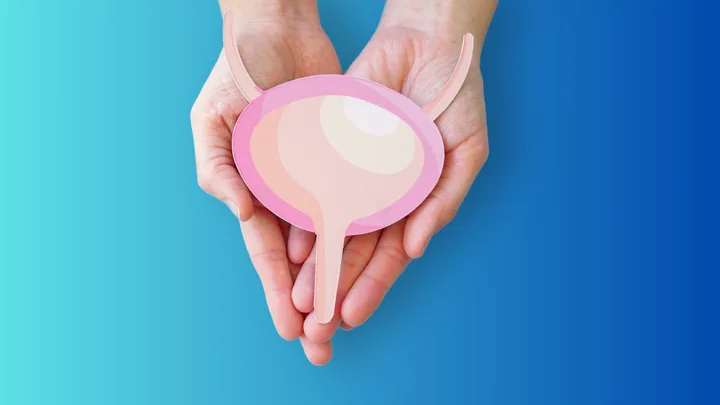
If you’re having issues with your bladder or bowels, you’re not the only one.
Incontinence affects one in four adult Australians, according to Continence Health Australia (CHA), though many people choose to suffer in silence.
This is often from embarrassment, or common assumptions that it’s a normal part of ageing or post-childbirth.

Taking the first steps
Being honest with yourself and seeking advice about your symptoms can help you move forward.



Talking to your GP is a great starting point if you’re not sure where to begin.
Managing incontinence with menopause
As women go through menopause, a common issue is difficulty with (or a loss of) bladder and bowel control.
This usually occurs with symptoms such as passing urine frequently or constantly getting the sudden urge to pee.

Menopause-related incontinence can happen for many reasons, such as vaginal dryness, weak pelvic floor muscles, weight gain, and a less-elastic bladder, according to CHA.
It’s important to speak with a specialist, as while menopause can be a contributing factor, incontinence can result from a urinary tract infection or other serious health problems.
The incontinence myths debunked
1. It’s a women’s issue
While more women struggle with incontinence, men also face the issue. It especially affects men who have been previously treated for prostate cancer, according to the University of Melbourne.
2. Incontinence is the same for everyone
People can experience different kinds of urinary and faecal incontinence. Some people can have stress-induced incontinence, often caused by coughing, sneezing or running.
Another form is known as an ‘overactive bladder’, which is caused by strong and sudden urges to pee.

3. It’s untreatable
From simple treatments like pelvic floor muscle exercises, bladder training and fluid management, to medications or even surgical options, there is usually an effective solution available for everyone.
Consult with your doctor about your options. For everyday management and discreet protection, try MoliCare’s range of incontinence products.
4. Only the elderly have it
While incontinence becomes more common as we age, it can affect people of any age, says urological surgeon Dr Tom Jarvis (in association with Healthscope).
5. It can’t get any worse
People who suffer from incontinence often report their symptoms worsen with time, according to Independence Australia. Symptoms can only disappear if they are addressed and treated correctly.
Seek trusted comfort & protection with MoliCare
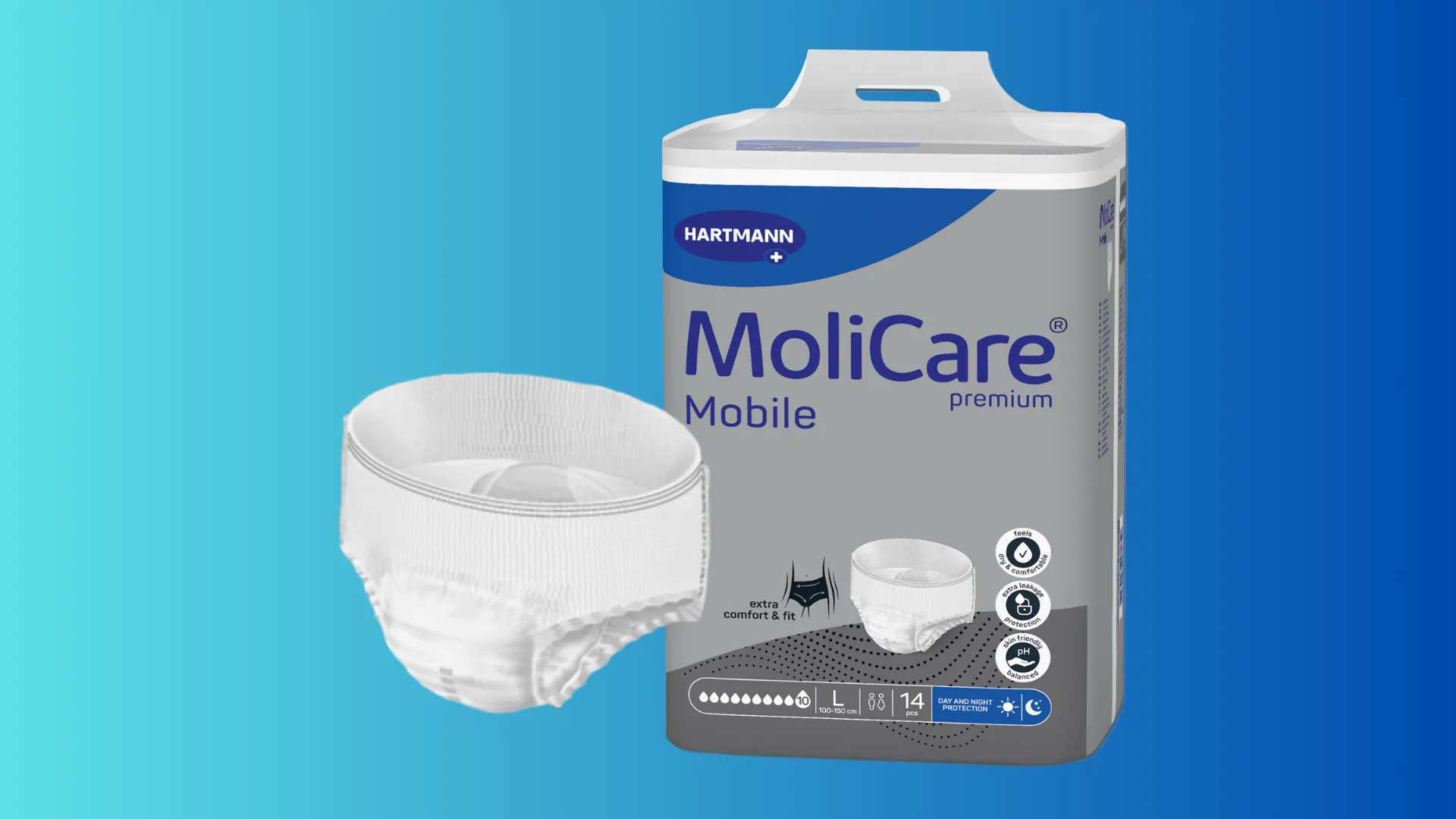
Discover the new MoliCare® premium Mobile now with MoliCare SkinGuard® technology – faster absorption, skin-friendly, thinner discreet fit and eco-friendly packaging.
Trusted comfort and protection. Try now for $64.40 per pack at molicare.au or pharmacies.

