


It’s the wellness habit that’s taken over the world, and Oprah Winfrey’s heart, but how can the ‘Let Them’ theory change your life?
Popularised by Mel Robbins’ bestselling The Let Them Theory, the book has since gone viral – selling out millions of copies worldwide.
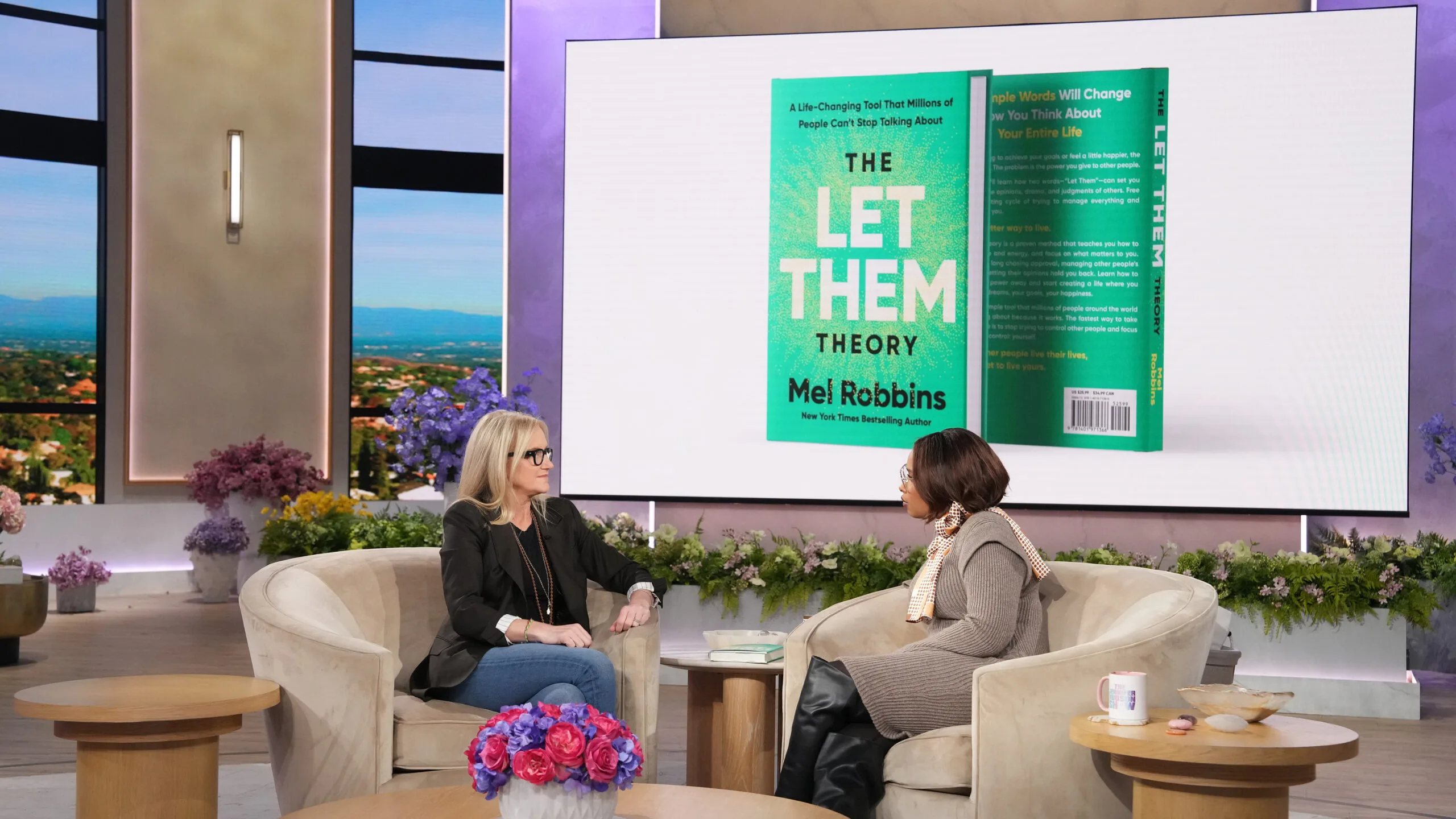
In an episode where Mel appeared on Oprah’s podcast (watched by over 2.5 million viewers), the iconic host praised the motivational writer for her work.
“By far, (this is) just one of the best self-help books I’ve ever read. It is right up there with all the greats,” she’d said in the segment.
“It is a life-changer; it is life-altering for anybody who reads it.”



The ‘life-altering’ book you have to read
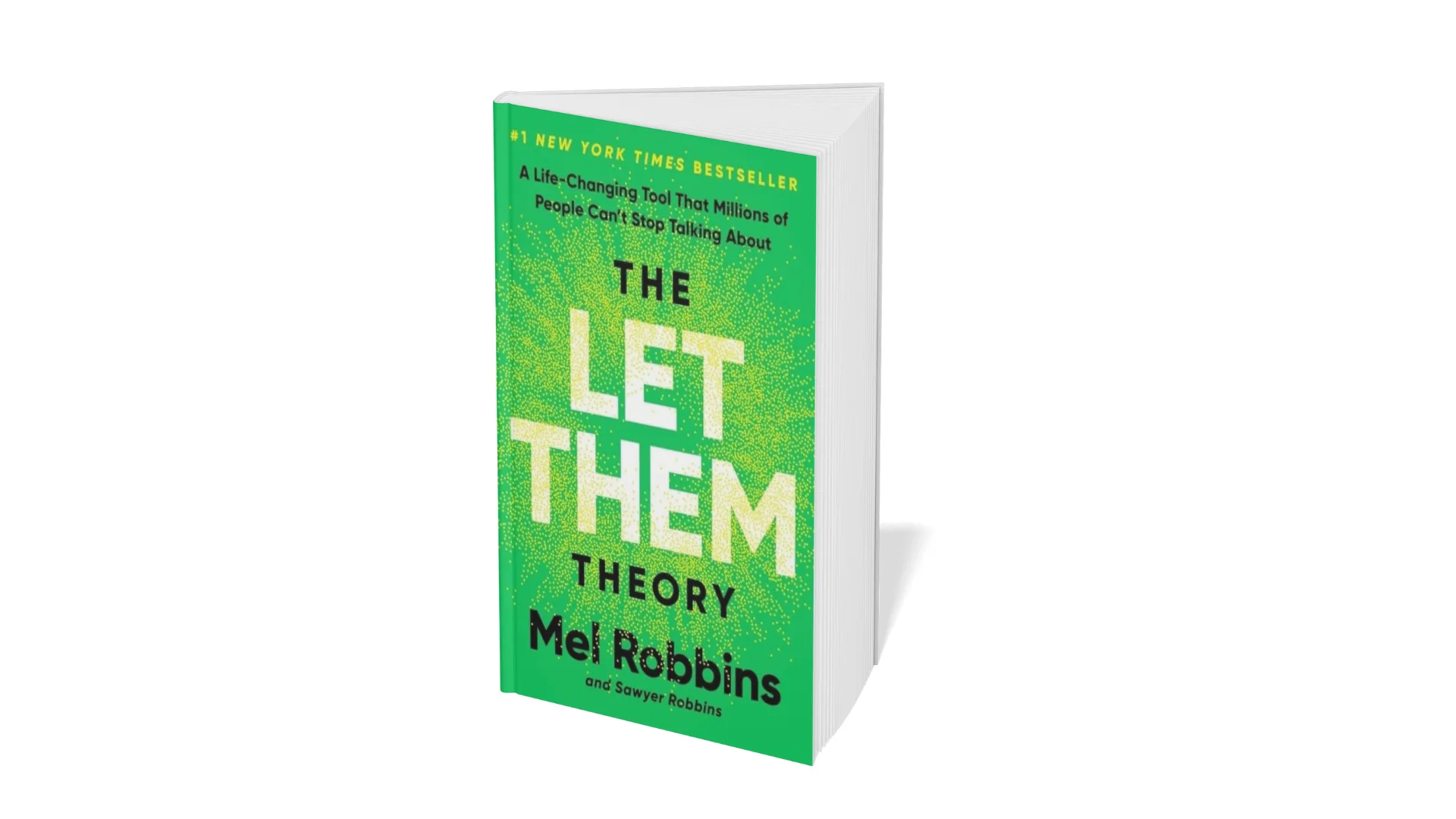
The Let Them Theory by Mel Robbins
$25.99 (down $32.99) at QBD
Grab your copy to learn why millions of people swear this one habit changed their lives for the better.
How does the ‘Let Them’ theory work?
Clinical psychologist Dr Maria-Elena Lukeides says she’s grateful for the help that this book, and the theory, has provided her.
“It’s put so eloquently into a book what I, and many psychologists, have been teaching our patients for years,” she tells New Idea. “The Let Them Theory encourages people to stop trying to control others and instead focus on their own wellbeing.”
It’s a way to protect and conserve our emotional energy and help foster healthier relationships, Dr Lukeides says – but how do we start the process?
Take a step back
Whether it’s a partner, a friend, or a relative, we’ve all dealt with toxic people in our lives in some form.
Think about how you feel when you’re around them. Have you ever felt unseen, unsafe, or unhappy with their actions or words?

Do they continue this behaviour, even when asked to stop?
“By reassessing these connections, and setting firm boundaries, you can protect your own mental health, reclaim your self-worth, and make space for more supportive, uplifting relationships in your life,” Dr Lukeides says.
Set boundaries
Once you’ve assessed the issue and its negative impacts, it’s important to communicate your needs and limitations.
Setting boundaries is a powerful act of self-respect that leads to healthier, much more balanced relationships, according to Dr Lukeides.
“Boundaries are not what keeps others out, but rather what helps keep us, and ultimately our relationships, safer and longer lasting,” she explains. And if people don’t respect that…

Stop trying to justify or convince
No matter how badly we want someone to change, we can’t control them.
We can only control ourselves – how we react and move forward from things.
When we finally let go of attempts to control, convince and persuade people to do what we think is right, Dr Lukeides believes we can harness that energy into our own choices and actions and reclaim vital energy for our own lives.
“What they do, how they do it, what they understand or do is not an ‘us’ problem – it’s a ‘them’ issue,” she says.
Prioritise your self
Not everyone will respect or understand your decisions, which is why Dr Lukeides reminds us to surround ourselves with people who uplift, rather than deplete us.
“It’s not selfish to set a boundary,” she says. “It’s what keeps both you and those you’re setting the boundary within a transparent relationship.”

Let actions guide your choices
If someone in your inner circle repeatedly lets you down, should they really be in your life?
“Being around someone who is persistently negative, or toxic can drain your energy, lower your self-esteem and lead to heightened stress, anxiety or depression over time,” Dr Lukeides explains.
“Maintaining such relationships can keep you stuck in cycles of enabling their behaviour.”
Boundaries aren’t about punishment, but about choosing what you will and won’t tolerate.

